01The challengeInvestigations involve relationships, evidence, and multiple collaborators. Fragmented tools make the context difficult to maintain.
An analyst gathers information and examines its relationships. Each piece of evidence needs a connection to the investigation it supports. Separate records force colleagues to reconstruct that context.
Collaboration also requires boundaries. People need access appropriate to their role, and each organisation's workspace needs to remain separate.
02What we builtA multi-tenant platform brings guided investigations, evidence relationships, and role-based access into one product.
The analyst follows a guided workflow, connecting evidence to the relationships being examined. These connections remain part of the case, allowing the user to move from an individual record to its wider investigation context.
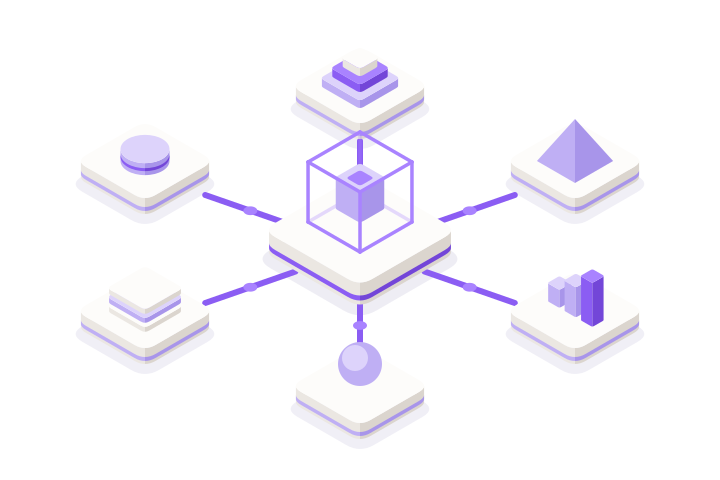
A shared data model connects investigation records, evidence relationships and permissions. Role-based controls determine what each user can access. The multi-tenant architecture separates organisations while supporting collaboration within each workspace.
03What it enablesAn integrated investigation workflow with controlled access and a foundation for production scale.
Team members can follow recorded evidence relationships and continue the investigation with its context intact. The workspace helps them understand what is connected and where further examination is needed.
The engineering combines the investigation workflow, connected records and access controls in one product. That provides a foundation for ongoing development without separating collaboration from the permissions that govern it.